

For Texas landowners, an oil and gas lease can represent a significant financial opportunity. But it is also a legal agreement that can affect your property, your mineral rights, and your relationship with an oil and gas company for years.
With continued energy development across Texas, understanding what you’re actually agreeing to is more important than ever. Recent Texas oil and gas disputes have continued to address issues involving mineral ownership, royalties, produced water, and the interpretation of energy agreements.
Whether you’re approached by an operator, negotiating a new lease, or considering the sale or transfer of mineral interests, it is worth understanding the legal terms before you sign. Let’s take a look at what landowners should know before they take the next step.
What Is an Oil and Gas Lease?
An oil and gas lease is a contract between a mineral owner and an oil and gas company. The mineral owner, or lessor, gives the company, or lessee, certain rights to explore for and produce oil and gas beneath the property.
In exchange, the mineral owner may receive compensation such as a signing bonus, rental payments, royalties based on production, or other negotiated benefits.
The terms of an oil and gas lease can vary significantly from one agreement to another. Beyond granting the right to explore for and produce minerals, a lease can define important rights and obligations related to the property, mineral interests, compensation, and future operations. Understanding those terms before signing can help you avoid unexpected consequences down the road.
Why the Language in Your Lease Matters
Two oil and gas leases can look similar at first glance but have very different legal and financial consequences. The language of the agreement determines what the operator can do, what the mineral owner is entitled to receive, and what happens if circumstances change.
Important provisions can address the length of the lease, royalty payments, pooling, surface use, drilling obligations, shut-in wells, assignments, production requirements, and termination.
These aren’t details you want to discover after you’ve signed.
Understand Your Mineral Rights Before Negotiating
One of the first questions to answer is simple: What exactly do you own?
In Texas, surface ownership and mineral ownership can be separated. A person may own the land above the surface while another party owns some or all of the mineral estate underneath it.
The Texas Railroad Commission explains that when the mineral estate has been severed from the surface estate, Texas law generally recognizes the mineral estate as dominant, giving the mineral owner certain rights to use the surface as reasonably necessary to explore for and produce oil and gas.
That makes reviewing the property’s title and mineral ownership history an important step before entering into a lease. You need to know whether you own all of the minerals, only a percentage, or whether other parties also have an interest.
Don’t Focus Only on the Royalty Percentage
Royalty is often one of the first things landowners look at when reviewing an oil and gas lease. And understandably so. But a higher royalty percentage does not automatically mean a better agreement.
The rest of the lease matters, too. You may want to understand how production is defined, what deductions may be taken from payments, how wells can be pooled, and what rights the operator has to use the property.
A lease should be evaluated as a whole rather than based on one number.
Consider How Operations Could Affect the Property
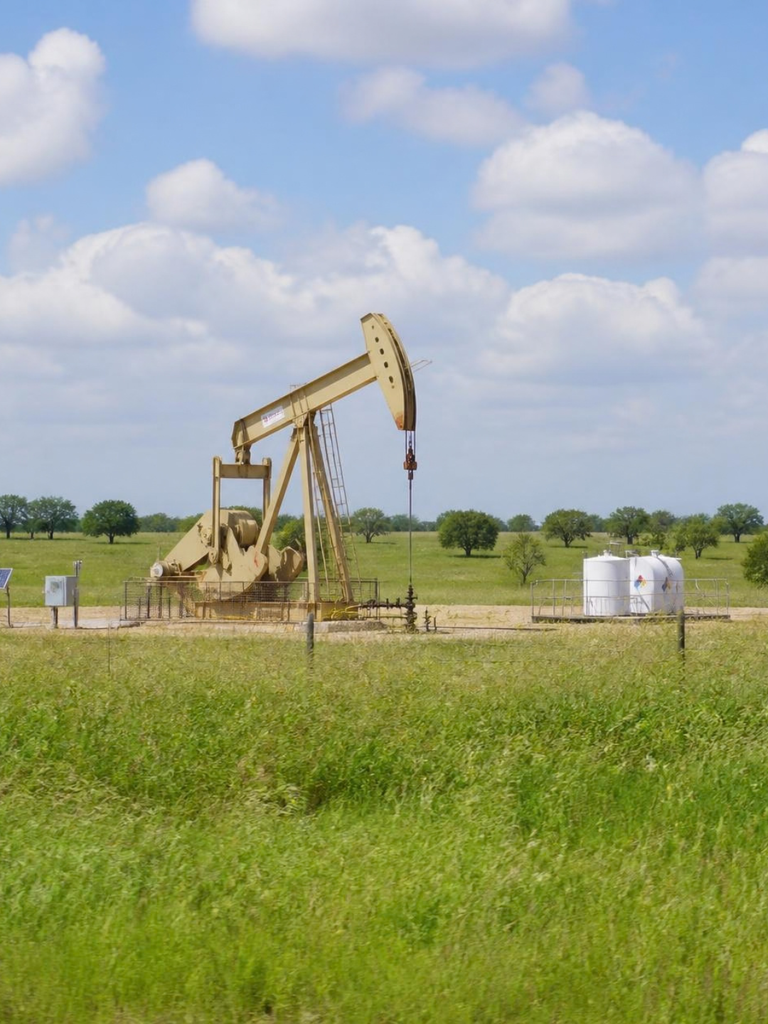
If you own both the surface and mineral estate, you should understand how oil and gas operations could affect the property itself.
Depending on the agreement and circumstances, development may involve roads, pipelines, drilling equipment, storage, tanks, or other infrastructure. Surface-use provisions can become particularly important for landowners who use their property for ranching, agriculture, residential purposes, or other business activities.
Before signing, consider not only what the operator can extract, but also how operations could affect your property.
Pooling and Unitization Can Change the Picture
Oil and gas companies may seek to combine mineral interests from multiple tracts into a production unit. This can affect how production is allocated and how royalties are calculated.
Pooling provisions can affect how your mineral interests are combined with those of other landowners and how production and royalties are allocated. Because the details depend on the language of the lease and applicable Texas law, it is important to understand how pooling or unitization could affect your specific interests, including your royalty payments and other rights.
Your lease may have implications beyond the boundaries of your individual property, making these provisions worth careful consideration before you sign.
What Happens If Production Stops?
Another important issue is what happens when production slows down or stops.
Many leases contain provisions that determine how long the agreement remains in effect and what happens during periods when a well is not producing. These may address continuous operations, temporary cessation of production, shut-in wells, production in paying quantities, reworking, additional drilling, or lease extensions.
These provisions can determine whether a lease remains active even when production changes. That is why the end of a lease deserves just as much attention as the beginning.
Texas Oil and Gas Law Continues to Evolve
Oil and gas law is not static. Texas courts continue to address disputes involving mineral rights, royalties, joint operating agreements, produced water, and other issues affecting energy companies and mineral owners.
The regulatory landscape is also active. The Texas General Land Office currently lists a tentative October 20, 2026, online lease sale for oil, gas, and other minerals, illustrating the continued importance of mineral leasing in the state.
For landowners and energy companies alike, keeping up with developments can help prevent surprises later.
When Should You Talk to an Oil and Gas Attorney?
Ideally, before you sign.
An attorney can review the proposed lease, explain provisions in plain English, identify potential concerns, and help you understand what rights you’re giving up and what protections you may want to negotiate.
Legal guidance can be especially valuable if you’ve inherited mineral rights, multiple family members own an interest, you’re approached about a new lease, you’re selling or transferring mineral interests, or you have questions about an existing lease, royalties, or an operator’s actions.
The goal isn’t necessarily to make the agreement more complicated. It’s to make sure you understand what you’re signing.
A Quick Oil and Gas Lease Checklist
Before signing an oil and gas lease, consider these questions:
- Who actually owns the mineral rights?
- What percentage of the minerals do you own?
- What is the royalty rate?
- Are there deductions from royalty payments?
- How long will the lease remain in effect?
- What rights does the operator have to use the surface?
- Does the lease address pooling or unitization?
- What happens if production stops?
- Can the lease be assigned to another company?
- What happens if there is a dispute?
If you don’t know the answers, that’s a good reason to pause before signing.
Protect Your Interests Before You Sign
An oil and gas lease can have long-term consequences for your property and your finances.
Whether you’re a mineral owner negotiating with an operator or an energy company entering into a new agreement, the details matter.
At Clausewitz Reyes, we help businesses, landowners, and clients navigate complex legal issues with a practical approach focused on protecting their interests.
Before you sign an oil and gas agreement, make sure you understand exactly what you’re agreeing to. Contact us today for expert guidance on your oil and gas lease.